TITLE SPONSORSHIP & NAMING RIGHTS

Thiago Calderaro
TL;DR — the 15-second answer
Title sponsorship means the sponsor name becomes part of the official tournament name (e.g. “[Sponsor] U13 Cup”). It works when you deliver real ownership: consistent name usage, an on-site activation, content, and a simple report. Without clear deliverables, title sponsorship becomes “expensive but forgettable” — and you won’t get a renewal.
1) What is title sponsorship, exactly?
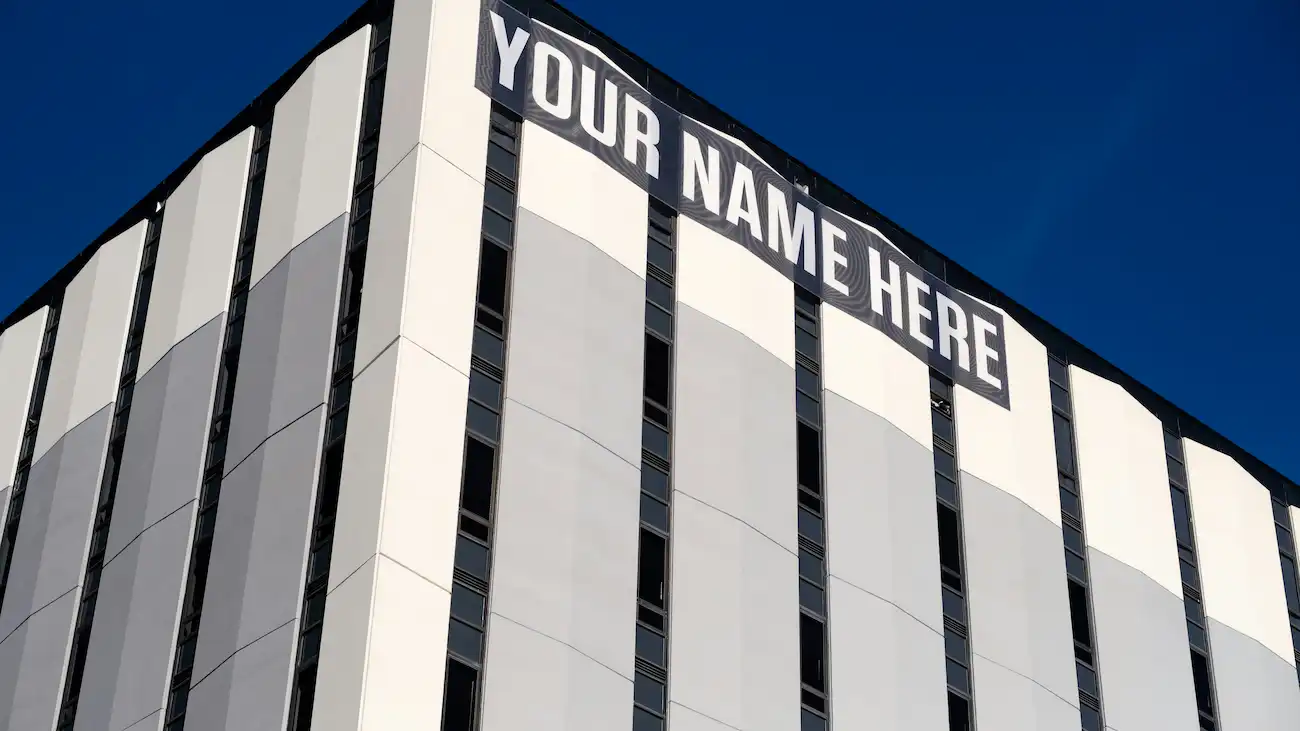
Title sponsorship (naming rights) means the sponsor has the right to appear in the official name — across all key touchpoints.
Examples:
“[Sponsor] Summer Cup U13”
“[Sponsor] Youth Tournament 2026”
“[Sponsor] Winter Cup”
Contrast (A vs B):
A = sponsor appears somewhere on a banner.
B = sponsor is the name — on every invite, schedule and post.
2) When title sponsorship actually makes sense for you
Title sponsorship is worth it when at least three of these are true:
1) You have repeatable attention
annual tournament or a tournament series
lots of teams, parents and fans
local press interest or strong social reach
2) You can run the name consistently
If you don’t use the title everywhere, you destroy the product you sold.
3) You have activation opportunities
Naming without activation is “text without memory”. You need at least one activation.
4) You can provide proof
A simple tournament report (reach, clicks, entries, photos/links) makes the naming deal easy to justify and renew.
3) The deliverables you must include (what “ownership” actually means)
When you sell naming rights, you sell consistency. These deliverables are your baseline.
Must-have deliverables (minimum)
tournament name on invitations and confirmations
tournament name on the event/tournament page
tournament name in the schedule/results
tournament name on posters/banners (if used)
tournament name in at least X social posts (e.g. 3–5)
Value-driving deliverables (upgrade)
opening announcement: “Welcome to the [Sponsor] Cup”
MVP/fair play vote “presented by [Sponsor]”
QR CTA to a landing page (tracked)
sponsor stand / product showcase
co-PR: photo + quote + press email
tournament report (numbers + proof links)
Rule: Naming rights without activation = low recall.
4) Pricing: how to price naming rights fairly (without guessing)
Hook: If you price naming rights by gut feel, you’ll be too cheap or too expensive. Price it by value drivers.
The 5 value drivers that matter most
Reach quality: who sees the name? (families, locals, buyers)
Duration: one day vs tournament week vs season/series
Exclusivity: category exclusivity (e.g. only one drinks sponsor)
Activation: does the sponsor own a moment (vote/raffle/stand)?
Proof: do you include tracking + reporting?
Simple pricing rule
naming without activation/reporting → small premium on top of a main sponsor package
naming with activation and reporting → meaningful premium uplift
Contrast (A vs B):
A = the name exists, but nobody interacts.
B = name + activation + QR + report → measurable value → higher willingness to pay.
5) The most common mistakes (and how you fix them)
Mistake 1: inconsistent naming
One post says “Cup”, another says “Tournament”, some drop the sponsor name. Ownership disappears.
Fix: one naming format, used everywhere. No exceptions.
Mistake 2: no story
Naming works when it feels real, not forced.
Fix: one line of meaning: “The [Sponsor] Cup makes youth football possible because…”
Mistake 3: no measurement
Sponsors can’t justify the spend internally.
Fix: QR CTA + report (clicks, leads, entries, content links).
Mistake 4: too many “top” sponsors
Naming + five big logos everywhere = diluted.
Fix: one title sponsor. Everyone else sits underneath.
6) What your contract must include (naming-specific)
You don’t need 20 pages, but these points must be clear:
exact name spelling (incl. capitalisation)
where the name appears (event page, schedule, social, print)
term (this tournament / annual / series)
exclusivity (category yes/no)
approvals (logo, wording, content)
deliverables (number of posts, placements, activation)
reporting (when, which KPIs)
exit/morality clause (reputation risk, serious breach)
7) Copy-paste blueprint: a strong title sponsorship offer
“[Sponsor] U13 Cup” package includes:
naming on invite, event page, schedule and results
5 social posts incl. 1 co-branded Reel
MVP vote “presented by [Sponsor]”
QR raffle with landing page CTA
post-event report: reach, clicks, entries + photo/link pack
That’s a “yes-able” offer in 60 seconds.
FAQ (short & direct)
Can a small sponsor be a title sponsor?
Yes — if the package matches the budget. You can also sell naming for one age group or one tournament day.
Should naming rights be exclusive?
For the title: yes. Otherwise ownership gets diluted.
Do we need banners or kit to sell naming rights?
No — as long as you deliver digitally (event page, schedule, social, activation, report).
Continue Reading
This might also interest you: